


1. Introduction
There is nothing quite like the rush of a hidden find. You walk into a dusty corner and see it. A one-of-a-kind leather jacket. A perfectly aged oak chair. The thrill is in the hunt. But many people think vintage shopping on a budget is impossible. They see high prices in curated boutiques and give up. I am here to tell you that is a mistake.
You do not need a deep pocket to find amazing things. You just need a plan. When you shop with a strategy, you save money and find better items. It turns a stressful trip into a fun game. In this guide, we will look at how to master budget vintage shopping. We will cover where to go, what to look for, and how to save your hard-earned cash.
This isn’t just about spending less. It is about shopping with intention. You will learn to avoid impulse buys that clutter your home. By the end of this post, you will be a pro at finding cheap vintage finds. Let’s dive into the world of thrifting on a budget and change how you shop forever.
2. Setting a Budget Before You Step Out

The biggest mistake you can make is walking into a store without a limit. Thrifting is addictive. Everything feels like a deal because it is “cheaper than retail.” But five $10 items still cost $50. Decide on a number before you leave the house. Maybe it is $30 for a weekend trip. Stick to it.
A clear limit keeps your brain sharp. You start to compare items more carefully. You ask yourself if you really love that shirt or if it is just a “cheap” distraction. This is the first rule of affordable vintage shopping. When you know your limit, it is much easier to walk away from things you don’t need.
You should also prioritize your needs. Are you looking for vintage clothing on a budget? Or do you need a new coffee table? Having a goal saves time. It stops you from wandering into the kitchen section when you actually need a winter coat. Focusing your energy leads to better vintage thrift store finds.
3. Where to Find the Best Deals
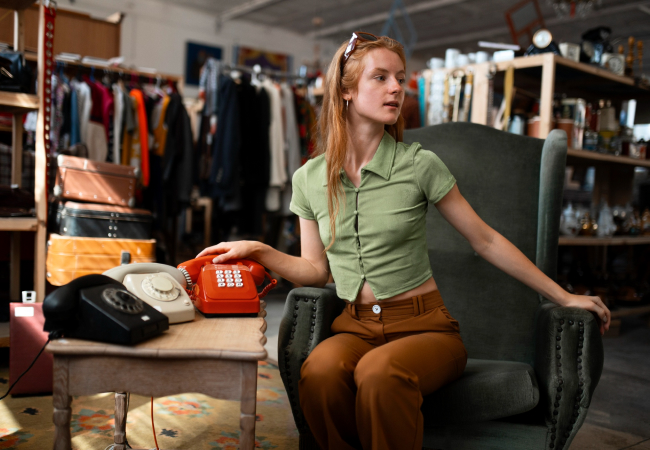
Not all shops are equal. Thrift stores usually have the lowest prices. They get new items every day. You might have to dig, but the rewards are high. Antique shops are different. They are curated. This means someone else did the work for you, so you pay more. If you want budget-friendly thrift shopping, stick to the charity shops.
Flea markets are the middle ground. They offer a huge variety. You can find everything from old records to mid-century lamps. This is where you find the best flea market vintage deals. These spots are perfect for people who love to negotiate. Vendors often want to lighten their load before they go home.
Don’t forget about small towns. Big city shops are often picked over by resellers. Drive thirty minutes out of town. The prices usually drop as you leave the city limits. These “hole-in-the-wall” spots are the best places to buy vintage cheap. You will find unique pieces that haven’t been marked up by trendy city boutiques.
Top Places to Explore
- Local Charity Shops: Best for clothing and basic housewares.
- Garage and Yard Sales: Often the lowest prices you will ever find.
- Flea Markets: Perfect for furniture and rare collectibles.
- Online Marketplaces: Great for specific low-cost vintage items if you search local.
4. Timing is Everything in Thrifting
The timing of your shopping matters just as much as the place you choose to shop. Most stores restock during the week. Avoid the weekend rush if you can. Early mornings are best for fresh inventory. You get first pick of the new arrivals. If you want the best vintage shopping tips, ask the staff when they put out new stock.
Late afternoons can also be a gold mine. Some stores mark down items as the day ends to make room for tomorrow. Many shops have seasonal sales too. Look for holiday clearances or “fill a bag” events. These are the peak times for thrifting on a budget. You can get a whole new look for the price of a single lunch.
Keep an eye out for color-tag sales. Most thrift stores use different colored tags to track how long an item has been on the shelf. One week, blue tags might be 50% off. The next week, it might be red tags. Paying attention to these cycles is a pro move for affordable secondhand fashion. It lets you buy high-quality items for pennies.
5. How to Spot Quality Vintage Pieces
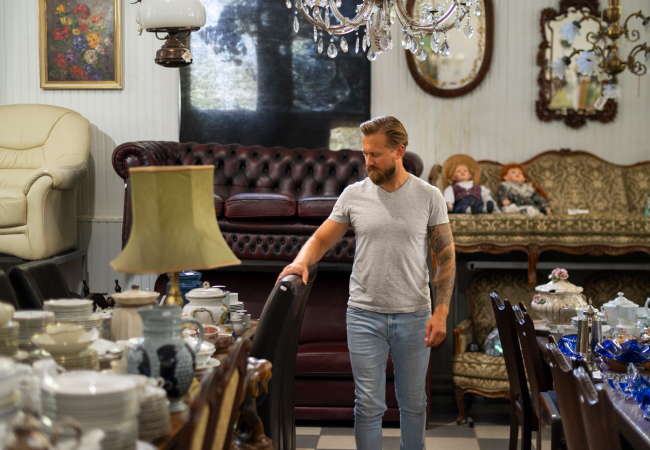
Not every old thing is high quality. To master vintage shopping on a budget, you must be an inspector. Look at the fabric first. Natural materials like wool, silk, and cotton last much longer than cheap synthetics. They feel better on your skin and age with grace. This is a key part of buying vintage clothes cheaply.
Check the construction. Look at the seams. Are they double-stitched? Is the zipper metal or plastic? Metal zippers usually mean a garment was built to last. For furniture, look for solid wood. If it feels heavy, it is probably a good sign. Avoid “fast fashion” items that ended up in the thrift store. They won’t last another year.
Do not be afraid of a little damage. A missing button is an easy fix. A small stain might come out with the right soap. However, be honest about your skills. If you don’t know how to sew, a broken hem is a deal-breaker. Knowing what to fix is a big part of upcycling vintage items. It helps you turn a “maybe” into a “must-have.”
6. Mastering the Art of Negotiation
Negotiating is a skill every thrift lover needs. It is very common at flea markets and yard sales. It is less common at large chain thrift stores. Always be polite. Start by asking, “Is this your best price?” A friendly smile goes a long way. This is one of the top vintage market shopping tips.
If you are buying more than one thing, ask for a bundle deal. Most sellers would rather sell three items for a slight discount than just one at full price. This is a great way to get vintage fashion for less. You help the seller clear their booth, and you save money. It is a win-win for everyone involved.
Never demand a lower price. If the seller says no, stay respectful. You’re free to step away and return at another time if needed. Sometimes, if an item hasn’t sold by the end of the day, they will be more willing to drop the price. This patience is vital for vintage shopping on a budget. It keeps your wallet full and your conscience clear.
7. The Power of Upcycling and DIY
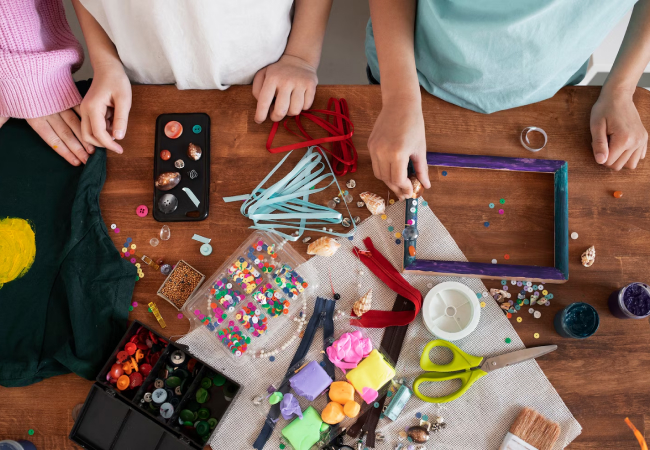
Upcycling is your secret weapon. Sometimes a piece of furniture has a “ugly” color but a great shape. A $5 can of paint can make a $10 chair look like a $200 designer piece. This is the heart of vintage décor on a budget. Look for the potential in an item, not just how it looks on the shelf today.
For clothing, simple changes make a big difference. Old jeans can be transformed into stylish, modern shorts. You can swap out plastic buttons for vintage brass ones. These small steps are essential for sustainable vintage shopping. You are giving an old item a second life while keeping your costs very low.
You don’t need to be an expert. There are thousands of tutorials online. Start with easy projects like polishing old wood or deep-cleaning a rug. These secondhand shopping tips will save you a fortune over time. You stop buying “perfect” items at high prices and start creating them yourself for much less.
8. Common Thrift Shopping Mistakes to Avoid
The biggest trap is buying something just because it is cheap. We have all done it. You see a $2 shirt and think, “Why not?” If it stays unworn, even a $2 purchase becomes wasted money. That is a major thrift shopping mistake to avoid. Your goal is to find things you love and will actually use.
Don’t ignore the “total cost.” If you buy a cheap coat that needs a $50 dry cleaning, it isn’t a bargain anymore. Always factor in the cost of repairs and cleaning. This keeps your vintage shopping on a budget goals on track. Be realistic about the effort required to make an item usable.
Lastly, avoid “over-thrifting.” It is easy to go to five stores in one day and spend too much. Stick to your list. If you didn’t find what you needed, go home. There will always be more inventory tomorrow. This discipline is what separates a beginner from a pro at thrift shopping for beginners.
9. Sustainable Shopping and the Planet

When you choose eco-friendly thrift shopping, you help the Earth. The fashion industry ranks among the largest contributors to global pollution. By buying used, you reduce the demand for new products. You keep items out of landfills. This makes vintage shopping on a budget a win for your wallet and the environment.
It also supports your local community. Many thrift stores are run by charities. Your money goes toward helping people in need. You are not just getting a “new” jacket; you are funding a local food bank or a shelter. This is the beauty of sustainable vintage shopping. It feels good to do good.
You are also getting better quality. Older items were often made to be repaired, not thrown away. When you buy vintage, you are buying a piece of history. These items have a soul that modern “fast fashion” lacks. Enjoy the fact that your low-cost vintage items have a story to tell.
10. Conclusion: The Smart Way to Thrift
Vintage shopping on a budget is a journey, not a sprint. It takes time to train your eye. It takes patience to find the right store. But the rewards are worth it. You will have a home and a wardrobe that no one else can copy. You will save thousands of dollars over the years.
Remember to set your budget, choose your shops wisely, and never settle for low quality. Use your creativity to fix up old pieces. Most importantly, have fun with the process. The hunt is the best part. Every trip to the store is a new chance to find something incredible.
Now it is your turn. Grab your budget and head to your local shop. Who knows what you will find? You are now ready to master thrifting on a budget like a pro.
11. FAQs for Budget Vintage Shoppers
How much should I spend as a beginner?
Start small. You can find amazing things with just $20. The focus should always be on choosing quality instead of buying more items. As you learn more thrift store shopping tips, you will get better at spotting deals.
Is vintage always cheaper than new?
Most of the time, yes. Especially if you are looking for high-quality materials like leather or solid wood. You can find vintage fashion for less than half the price of a new mall brand.
How do I clean my finds?
Always check the care label if it has one. For older items, hand washing with cold water is safest. For furniture, a simple mixture of vinegar and water works wonders. Eco-friendly thrift shopping means using gentle cleaners too.
Can I really find designer brands at thrift stores?
Yes! It takes patience and a good eye. Look for labels you recognize. Sometimes people donate high-end items because they don’t know the value. This is how you get those legendary cheap vintage finds.

